


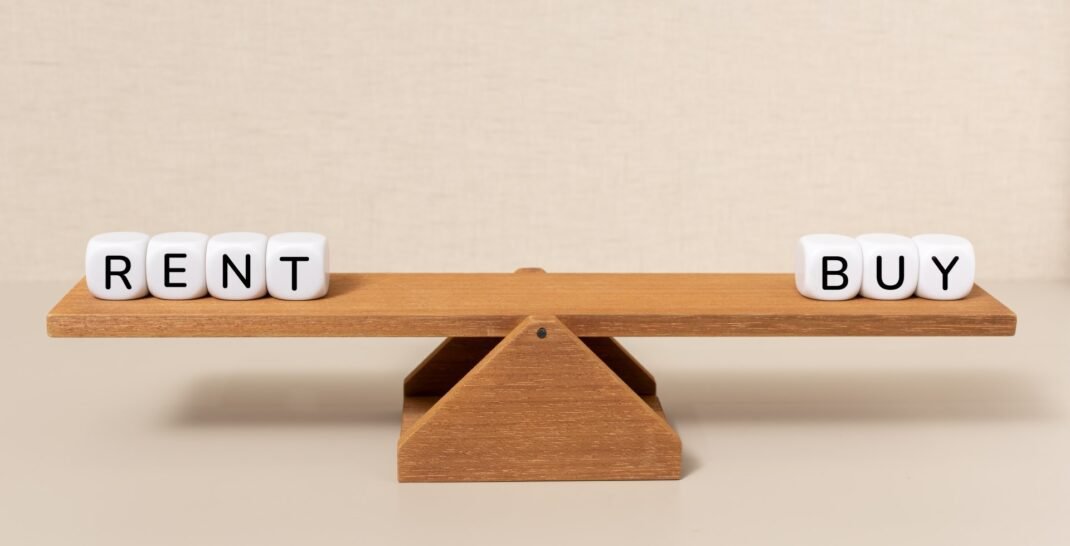
Every Ugandan family eventually has some version of this conversation. Someone at a wedding or a Sunday lunch says “you’re just throwing away money on rent,” and everyone nods, because it’s the advice we’ve all grown up hearing. Buy land. Build your own house. Stop paying someone else’s mortgage. It’s not bad advice, exactly. It’s just incomplete, and it doesn’t account for how differently this decision plays out depending on where someone actually is in life.
The Case for Buying Still Holds, But Not Unconditionally
Land and property in Uganda have historically appreciated well, particularly around Kampala and its expanding suburbs, and owning your home does eventually free you from the endless cycle of rent increases and landlord negotiations. For someone who’s settled in a city, has stable income, and plans to stay in the same general area for years, buying usually is the stronger long-term move. Every year of rent paid is a year of equity you didn’t build.
But “eventually” is doing a lot of work in that sentence. Buying land, then building, then finishing, then moving in, is rarely a fast process here. Between securing financing or savings, verifying the title, construction delays, and the inevitable cost overruns, many Ugandan homeowners spend two to five years between deciding to buy and actually living in a finished home. If your circumstances are stable enough to absorb that timeline, buying tends to pay off. If they’re not, that same timeline can become a source of real financial strain.
The Case for Renting Isn’t Just “You Can’t Afford to Buy”
Renting gets treated as the consolation prize, something you do until you can afford better. But for a genuinely large number of people, renting is the more rational choice, not a compromise.
If your job could realistically move you to a different part of Kampala, or a different city entirely, within the next few years, renting keeps you flexible in a way that owning simply doesn’t. If you’re newly married, or building a business, or still working out which neighbourhood actually suits your life, renting buys you the freedom to get that decision right before making a twenty- or thirty-year commitment to it. And if buying now would mean stretching yourself financially thin, tying up money you might need for an emergency, a business opportunity, or your children’s school fees, renting isn’t failure, it’s just sequencing your priorities sensibly.
What This Looks Like in Practice
A young professional early in their career, still figuring out where they want to settle long-term, is usually better off renting and saving aggressively, rather than rushing into a purchase in an area they might outgrow in three years. A family with two working incomes, clear plans to stay in Kampala or a specific suburb, and a mortgage or savings plan that doesn’t consume their entire monthly budget, is usually in strong position to buy, and the earlier they start, the more they benefit from appreciation. Someone whose income fluctuates significantly, whether from business ownership or contract work, often benefits from renting until that income stabilises, since a mortgage doesn’t pause during a slow month the way a rental negotiation sometimes can.
The Question Nobody Asks Loudly Enough
The real question isn’t “should I rent or buy,” it’s “what am I actually optimising for right now, flexibility, stability, or long-term wealth building, and which of those matters most to me this year, not eventually.” Ugandans who get this decision right tend to be the ones who answered that question honestly, rather than the ones who simply followed the “buying is always better” advice on principle.
There’s no universal right answer here, only the right answer for where you actually are. If you’re weighing this decision and want an honest read on your specific situation, rather than a generic pitch either way, that’s a conversation we have with clients regularly.
Not sure which move makes sense for you right now? Get in touch and we’ll talk through your specific situation, no pressure either way.